Dr. Robert Tsai, PT, DPT
As a dance physical therapist, I’ve been fortunate to work with dancers over the years. One question I get asked frequently is: Why did I choose to work with dancers, what do I need to know, and how did I get to where I am?
It’s a great question because working with dancers has required me to become a clinician that blends of the expertise of movement, the science behind healing and training, and the ability to develop a deep understanding of the person behind the dancer.
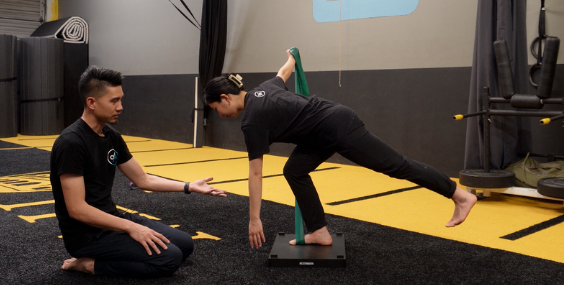
In this above video, I break down the educational requirements of what’s required to become a physical therapist, as well as the additional knowledge to seek, and questions to ask so you can truly understand and support dancers in their craft.
The Basics
The process starts with a foundation in physical therapy education. I completed my Doctor of Physical Therapy (DPT) program in the United States so educational requirements may be different. In my education, I spent time in an outpatient PT clinic with the general population, in a hospital working with patients with neurological conditions, and in pediatrics working with kiddos aged 1-3 with a variety of developmental conditions and diagnoses. All of these experiences have taught me something that I continue to utilize in our work with dancers here at DANCE|PREHAB.
Working with dancers often requires going beyond the traditional curriculum. Dancers have highly specific physical demands, requiring you to gain additional knowledge in areas like dance biomechanics, injury risk, and performance optimization.
Going Beyond
Dance health is never just physical. It’s rooted to the social, emotional, and even political fabric of the dancer’s life. Understanding these layers has been pivotal in my work. Treating dancers isn’t just about addressing their physical injuries; it’s about seeing the whole person. An injury may have occurred physically, but the dancer or families’ ability to seek care may depend on their personal beliefs, narratives they’ve been told, or perhaps societal or communal power dynamics that discourage them from seeking care they deserve. Dancers are artists, but they are also humans who have chosen dance as their way of learning about the world, expressing themselves, and connecting with others. For us, we need to have the courage to challenge societal norms of what dance learning and training is.
The Bigger Picture
Learning about dance health also means immersing yourself in the culture of dance. This includes understanding the unique pressures dancers face, from the competitive “more is better” mentality to the emotional toll of performing. Supporting dancers means helping them find balance, not just in their movement but in their overall well-being.
Ultimately, working with dancers is about more than just treatment plans and exercises. It’s about recognizing their artistry, celebrating their resilience, and offering choice and permission so they can move forward in a healthier, sustainable way with longevity in mind.
Whether you’re considering this field or are simply curious about what it entails, I hope this gave you some insight into the rewarding work of being a dance physical therapist. Collaborating with dancers in their care is complex, beautiful, and deeply human—and helping them thrive is certainly a privilege we are grateful to have here at DANCE|PREHAB Physical Therapy & Performance.

What other questions do you have?
Let me know below!

Leave a Reply