Helping Parents Feel Confident in the Healing Process
Talking about injury and recovery is often framed as a personal, individual responsibility of the dancer – “Do your exercises.” “Don’t forget to recover.” “Sleep 8 hours a night.” It gets overwhelming.
At DANCE|PREHAB, we believe in a dancer-centered health ecosystem, which means everyone has a unique insight and way of supporting the dancer (and more importantly, the child who has chosen dance.) When a dancer gets injured, it’s natural for parents to feel uncertain. You want to help—but it’s hard to know what questions to ask or how to tell if your child’s care plan truly meets their needs.
At DANCE|PREHAB, we see how parents, teachers, coaches, and even directors all all part of a dancer-centered health ecosystem. We’ve had the incredible opportunity to support dancers throughout their training – from junior high, to high school, and now college and beyond. One thing has always mattered – their health and wellbeing has always taken a village.

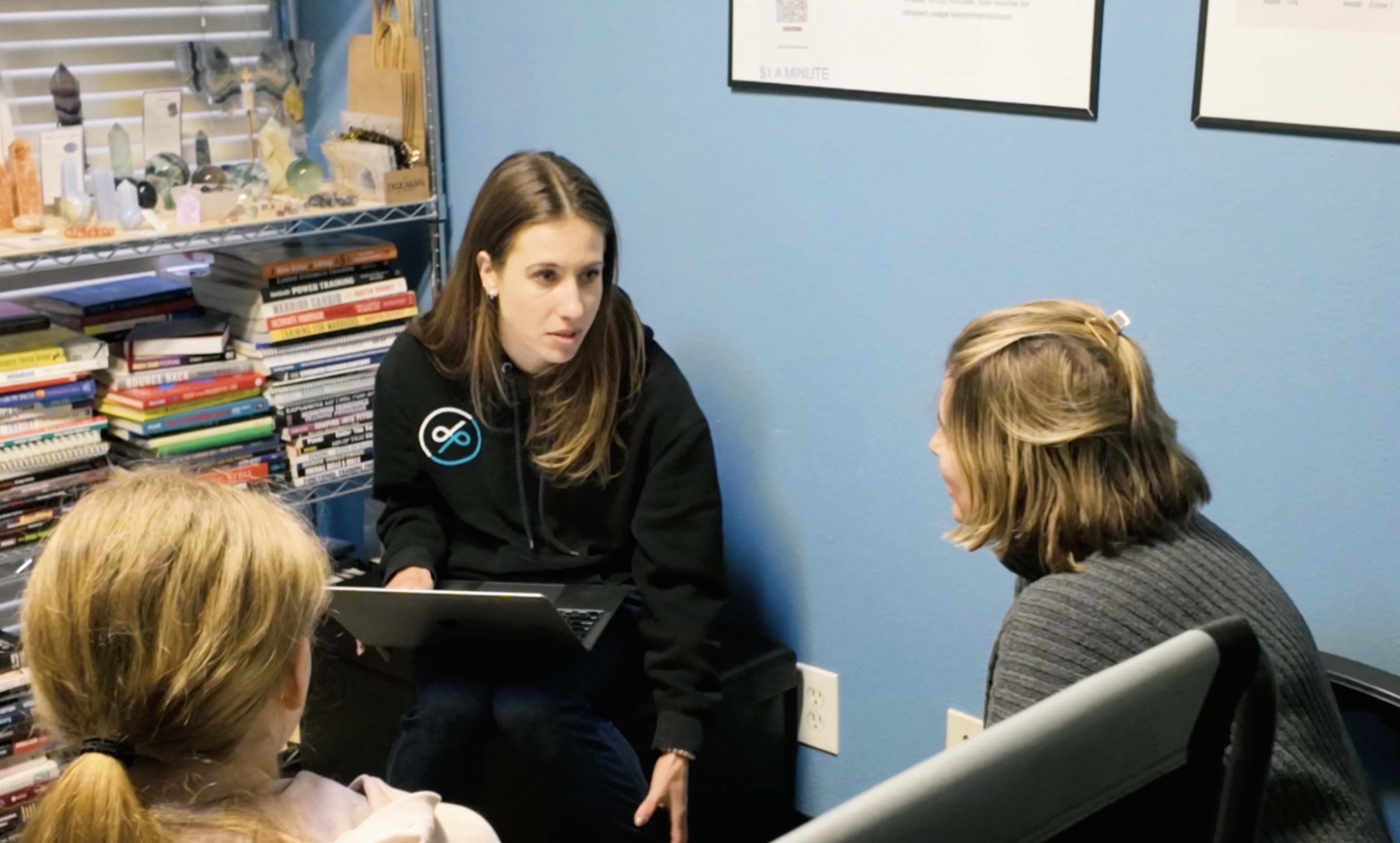
Below are key questions that can help you start meaningful conversations with your child’s physical therapist or rehabilitation professional. These questions focus on understanding how the plan supports your dancer’s growth, development, and return to movement, both as an artist, and a human.
Understanding Growth and Development
Adolescence is a time of incredible change. During this period, a dancer’s body is growing, adapting, and sometimes moving faster than coordination can keep up. A good rehabilitation plan recognizes this, and we want to make sure you know how to ask the right questions as well.
Ask:
- How are you accounting for my child’s stage of growth when planning rehabilitation and return to dance?
A dancer’s biological maturity, not just their age, determines how their body responds to training. The period around a major growth spurt (known as “Peak Height Velocity”) is when dancers are most vulnerable to injury. - Are you adapting the plan for changes in coordination or flexibility during growth?
During rapid growth, dancers often go through a short phase of “relearning” movement patterns. Dancers and teachers often misattribute normal growth related changes to training faults or lack of dancer effort. Adjusting exercises for coordination and balance during this time helps them to learn that growth is a process, not a problem. - How will you track growth or changes over time?
Measuring height or leg length every few months helps track growth tempo. Sudden spikes can increase the risk of overuse injuries, especially in the lower limbs.

Questions About Healing and Rehabilitation Planning
Returning to dance safely requires more than just waiting for pain to go away. The recovery plan should bridge the gap between rehabilitation and performance.
Ask:
4. What are the goals for getting back to full dance function?
At DANCE|PREHAB, healing is always two fold: 1) What are the global things that are happening (growth and maturation), and 2) how does this affect our ability to target dance-specific needs? For example, if full body coordination is something that must be addressed, purely hyperfocusing on a very dance-specific aspect (like pointe-work), may be missing the mark.
5. How will you progress the training load?
Progression should be gradual and systematic. Too much too soon can increase reinjury risk. We like to utilize several different ways to gauge appropriate amounts of discomfort (sometimes it’s needed for healing!) For older dancers, we introduce strength and conditioning concepts to help them understand proper training. More is not better. Better is better.

6. What can my dancer do while injured to stay strong?
Even when one area is injured, it’s important to maintain general conditioning and strength in other regions. This helps preserve capacity for when they return to full training.
7. What are the expectations for rest and recovery during the week?
Healing looks different for everybody and every body. Depending on where you’re healing is at, rest might be necessary on some days, and on others, we need proper loading. Sometimes, pain is our gauge of how well something is healing, and our way of making sure you are getting what you need to heal the best. Is ice or heat better for recovery?
8. How can we support our dancer mentally and emotionally while they recover?
Encourage your dancer to focus on what they can control—like doing home exercises or trying gentle cross-training (swimming, biking). Recovery can be a time for growth, learning, and rediscovery.
Strength and Conditioning During Recovery
Strength training isn’t just for athletes—it’s essential for dancers, and for the young human behind the dancer. A strong, well-conditioned body can better support artistry, coordination, and longevity.
Ask:
10. What specific skills or qualities are being prioritized?
A well-designed program builds neuromuscular control, core stability, and endurance. It focuses on movement quality and confidence, not just muscle strength.
11. How is technique being monitored as exercises progress?
The therapist should emphasize correct form before adding resistance. Movement quality always comes before intensity.
12. How will communication happen between the PT and dance teacher? Between PT and doctor?
Collaboration ensures that class expectations align with the dancer’s recovery phase. Everyone on the support team should be informed and consistent. We make an effort to establish clear communication with our community of healthcare professionals.
13. (BONUS!) How is training adapted to my child’s readiness, not just their age?
Training age and developmental readiness matter more than chronological age (years old). Because children develop at different rates, a dancer who is 13 might be a later developer compared to a dancer developing at age 11. Healing and education should feel supportive, achievable, and appropriate for how the dancer learns and moves based on where they’re at as a human!
4. Why These Questions Matter
Asking these questions does not challenge your child’s therapist—it strengthens the partnership.
They open space for dialogue, helping everyone involved understand the dancer’s journey more clearly.
When parents, teachers, and medical professionals work together, the focus shifts from “getting back fast” to building capacity that lasts.
That’s how we reduce fear, foster trust, and create a dancer-centered approach that values both performance and well-being.
Supporting Your Dancer Alongside You!
At DANCE|PREHAB Physical Therapy & Performance, we design recovery plans that honor each dancer’s stage of growth, artistry, and physical potential.
If your dancer is recovering from injury—or if you’re unsure what next steps are appropriate—we’re here to guide you through it with clarity and care.


Leave a Reply